Too expensive to build in 2021.
It isn’t anymore.
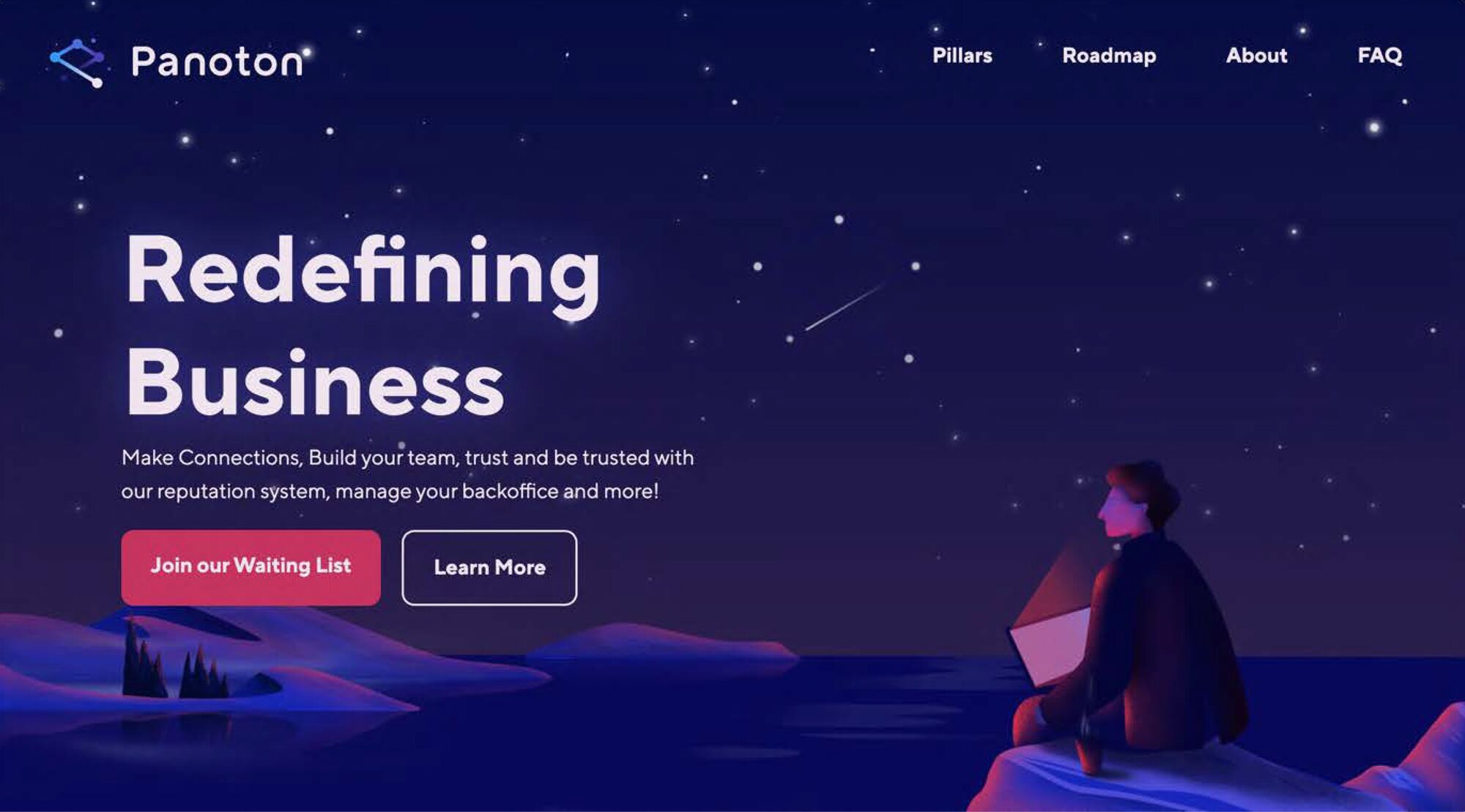
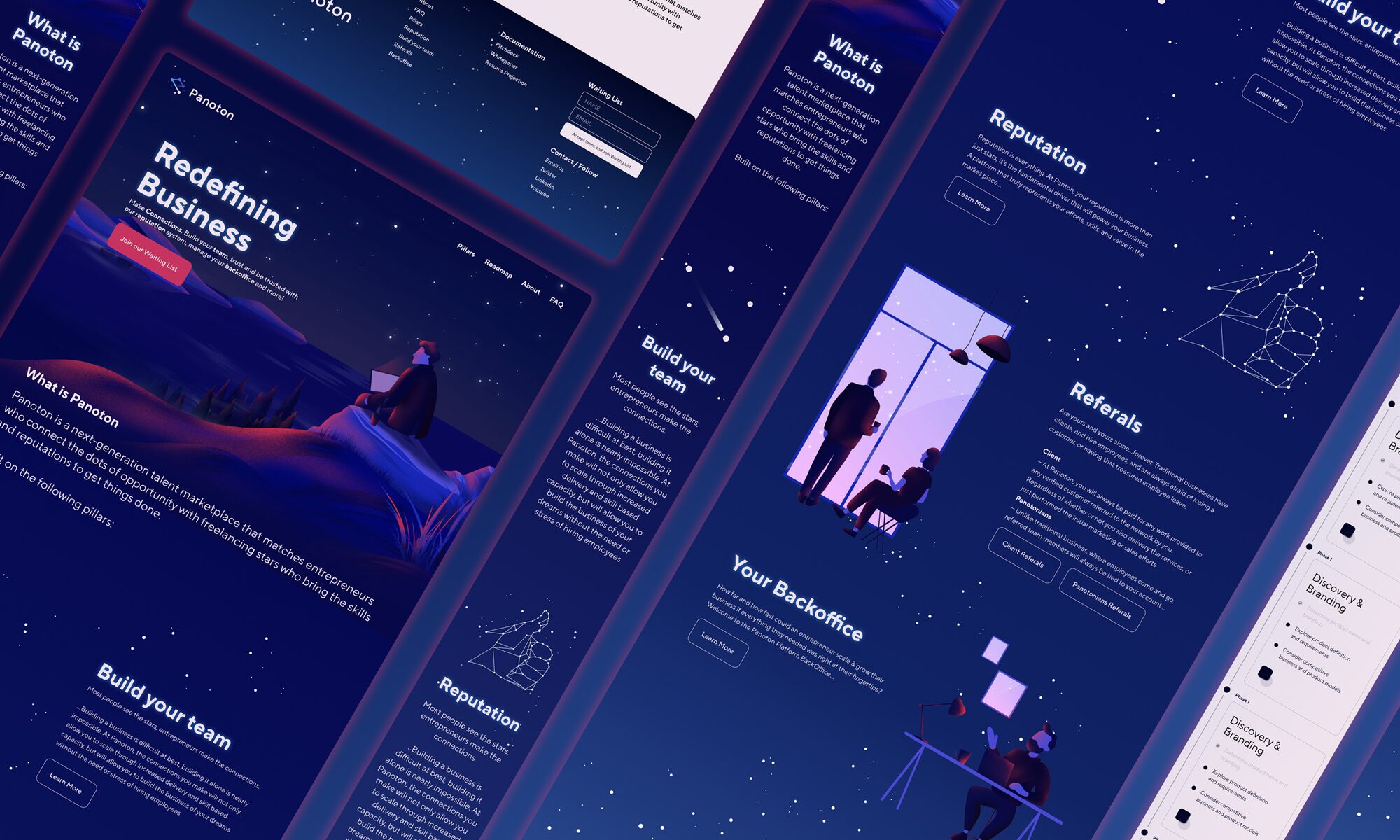
A blockchain gig platform with a plain promise: the benefits of full-time employment with the autonomy of gig work. We ran the strategy, drew the product and scoped the build. All four finished, and the scope is still good.
It is the only case on this wall still on our call list.
Strategy first, and the order
is the whole point.
It began with “a series of in-depth product strategy workshops” that established the goals, the audience and the differentiators, identified immediate and long-term objectives, and produced an actionable plan, so that every later decision, “from branding to technical features”, was grounded in something already argued.
Where we left it,
and it is still good.
Four things came out of this engagement: a product strategy argued with the stakeholders, a brand, a designed product, and a technical scope covering blockchain settlement, payment gateways and data handling. Those are the four things a build needs before it starts, and all four were finished. It reached prototype and stopped there: no launch, no users.
A scope this good does not go stale. It waits.
The wireframes were tested and revised before the requirements were written, so the technical scope came out of a validated product rather than a wish list. That is the part worth having years later: the hard thinking was done, in the right order, and it is still on the shelf.
Strategy · brand · UX · wireframes · technical scope · 2021 · engagement type: PROTOTYPE
What the files hold, and what they do not.
This is the shortest case on the wall. The account of the work comes from our own published portfolio page, which describes the sequence exactly: strategy workshops first, then brand, then product, then the technical scope. There was no launch and no users, and nothing on this page claims otherwise.
How AI would help
this now.
Everything above this line is in a file somebody can open. Nothing below it is. This is how we would run the same engagement today, with AI in the work, written as an opinion, because that is what it is.
This is the one on the wall where the speculation is not really speculation. In 2021, getting from a validated wireframe to a running two-sided marketplace with settlement and payment rails was a serious engineering programme. It is a much shorter one now.
Same strategy, same brand, same wireframes. A different build.
Which is why this one is still on our call list, and why it is on this wall at all. Everything a build needs was finished and is still good, and the distance between that scope and a working product has closed since it was drawn.
Building in crypto now? See what we do for blockchain teams today