Eighteen audit findings closed on a live blockchain data market.
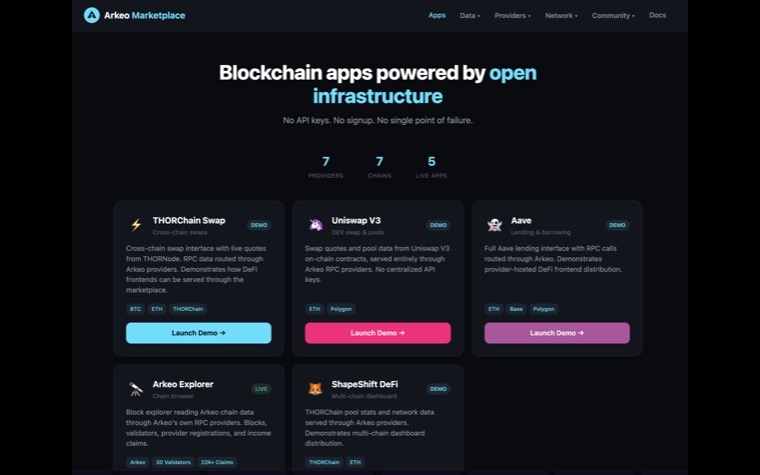
Arkeo is a blockchain and AI marketplace for on-chain data, where providers set their own terms and builders choose among them. We signed on as its platform development contractor in June 2024 and were still maintaining it in March 2026.
- Platform engineering
- Security audit remediation
- Marketplace product build
- Production support
- Technical documentation
The challenge
Much of the decentralized web depends on a few providers of blockchain data, such as Infura and Alchemy. If one fails or refuses service, the apps built on it fail too. Arkeo's answer was an open market where payment and reputation settle on chain.
Our contract, dated June 10, 2024, admitted the uncertainty around launch and was written to flex. One named deliverable was not a feature at all. It was closing out the issues found in prior audits.
What we did
Hand the code to an outside auditor
Monethic ran the chain's second security audit in early 2025. It found eighteen issues, including one critical bug that could have paid a reward claim twice, and a missing chain ID that would have let a testnet signature replay on mainnet. Every fix went back to Monethic for a retest before the final report.
Ship, then operate
Mainnet went live in 2025. A services list grew to 386 data service types, with 51 already on chain. That gap is why a dynamic service registry was built. Autumn went to operations work, including server architecture, relayer mapping and provider configs.
Measure and state the limits
A measured request took 138 ms, of which about 7 ms was the Arkeo layer. We also told the client in writing that pay-as-you-go requests were forced into single file to avoid nonce collisions, which caps throughput. We proposed up to five parallel lanes as a user setting.
Trace failures to root cause
In March 2026 the bridge to Osmosis went down when a client expired. We rejected the quick fix, which would have broken existing liquidity pools, and specified a one-constructor change plus a governance vote.
The result
Monethic marked all eighteen findings Resolved, in a final report cleared for public release. By our account as the contractor, the chain, the marketplace, its provider and subscriber systems, and the AI broker all went live.
The market itself is still thin. Arkeo's own 2026 plan says low liquidity makes the token hard to trust. We have kept that in view rather than cut it.
What this means for your business
Do not let the people who built a system be the only ones who check it. An outside review, followed by a retest of every fix, gives you a record you can show others. Writing down the known limits, with a proposed remedy, keeps the client deciding with real information.
Other case studies
WISE and College Board
Machine learning that scored SAT practice answer sheets from a phone photo, built in 2017 and shipped through point releases.
Read the case study →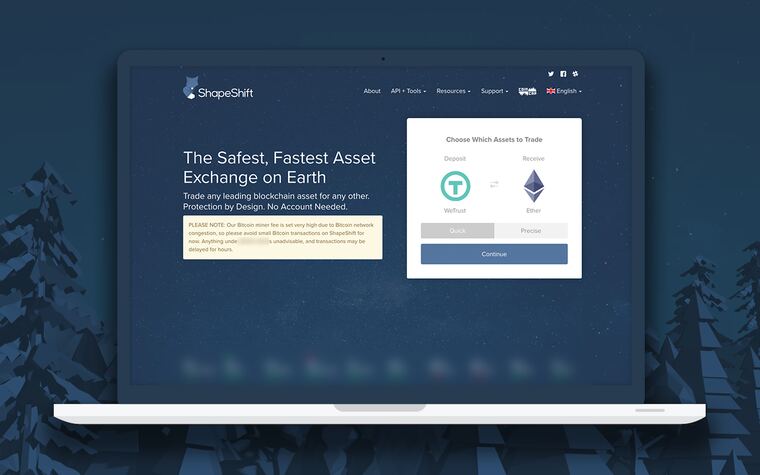 Product · 2013–2020
ShapeShift
An account-free crypto exchange we designed and helped build, which peaked at more than a million transactions a day.
Read the case study →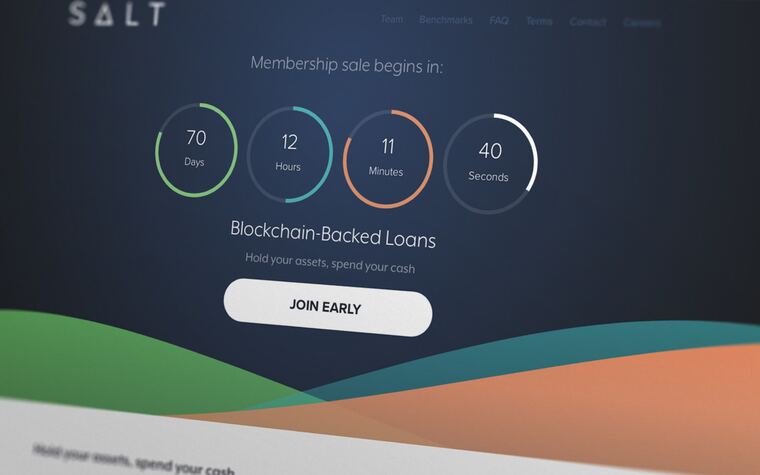 Product · 2016–2018
SALT Lending
We held the fractional CTO seat at SALT Lending through launch, from a value proposition to a team of nearly a hundred.
Read the case study →Bring one expensive workflow. Leave with a clear next step.
In 30 minutes we look at one recurring workflow, what it costs you today and whether there is a credible case to improve it. If there is not, we will say so.
30 minutes with Phil or Martin. No technical brief, no pitch deck. Phil or Martin replies personally, usually within one business day.