Too many tools
You pay for software that overlaps, and nobody is sure what to keep. You need a clear decision about what to use and what to stop paying for.
We find the workflow that is costing you sales or margin, fix it with the tools that fit, and measure what changed in 90 days.
For established service businesses with 5–150 people. No technical brief needed. From $2,500 a month, scoped in writing. Or email phil@innovationtheory.com.
Today, staff copy call notes, chase missing details and assemble the proposal by hand. It goes out in three days, if it goes out.
In practice: measured by staff time per proposal, turnaround and correction rate.
Our team has worked with







“For over ten years, Innovation Theory has been part of the ShapeShift journey. They’ve helped shape the brand, the product, and the tech behind it. If you want a team that knows crypto inside and out, you won’t find better.”
“These guys understood the vision from day one. They built the product that created the category.”
“They know how to take an idea, sharpen it, and actually make it happen. Worked with them on everything from Wall Street Bets to Stabull, and every time, they delivered. Smart, fast, and no BS.”
Most service businesses we talk to are not short of software. They are short of someone with the time and judgment to decide what to change, lead it and make sure the team actually uses it.
You pay for software that overlaps, and nobody is sure what to keep. You need a clear decision about what to use and what to stop paying for.
Proposals, onboarding and reporting get copied between disconnected systems by hand. Mistakes and delays follow.
Your team is busy serving clients. You need someone accountable for choosing improvements and getting them adopted.
Every engagement starts from one of three outcomes, with a number we agree to track before any work starts.
Faster lead response, consistent follow-up and quicker proposals so good opportunities keep moving.
Organized onboarding, renewal reminders and timely updates so clients stay and refer.
Less rework, fewer handoffs and fewer unused subscriptions. Recovered time goes back into client work.
We pick one workflow, measure it, improve it and prove it before touching the next. These are the most common first projects.
Reply to new enquiries in minutes, with a person on anything that matters
See how it works →Turn a sales call into a reviewed proposal the same day
See how it works →Make the first 30 days feel organized for the client and the team
See how it works →Decide what to keep, what to connect and what to stop paying for
See how it works →Capture after-hours and overflow calls without losing the details
See how it works →See the numbers that matter without building a spreadsheet every Monday
See how it works →Enter what one workflow costs you today. We show the break-even, not a promise. Before recommending anything we replace these assumptions with your real numbers.
a month in staff time, before any lost sales
Illustration only, not a forecast or guarantee. Recovered staff time becomes a cash saving only if spending actually declines or the time goes into paid work. Tool costs are an assumption; we replace every number here with yours before recommending a scope.
You get a named lead, a written scope and a weekly decision rhythm. Your team stays involved throughout, and people approve the important decisions.
Review how the work happens today and rank the opportunities. Agree one pilot, its baseline and its acceptance criteria in writing.
Build and test the scoped improvement with real examples and the people who will use it. Existing tools first, new ones only when they earn their place.
Support adoption, compare results with the baseline and agree what deserves investment next, including whether to stop.
Marketplace data puts a typical fractional CTO at $9,000–$15,000 a month (sources). Our plans cost less because we lead one scoped workstream at a time for service businesses, rather than acting as a part-time executive for a software company.
USD, billed monthly. Initial 90-day engagement with a written scope before kickoff. Software subscriptions, major custom builds and 24/7 support are budgeted separately. Not sure which fits? Take the 3-minute check.
Law firms, CPA firms, trades, property managers, agencies, clinics and more. Each industry page shows the workflows that usually pay back first.
Before InTheory, our team led product, brand and engineering work for global brands and fast-moving startups. A few of those projects, written up.
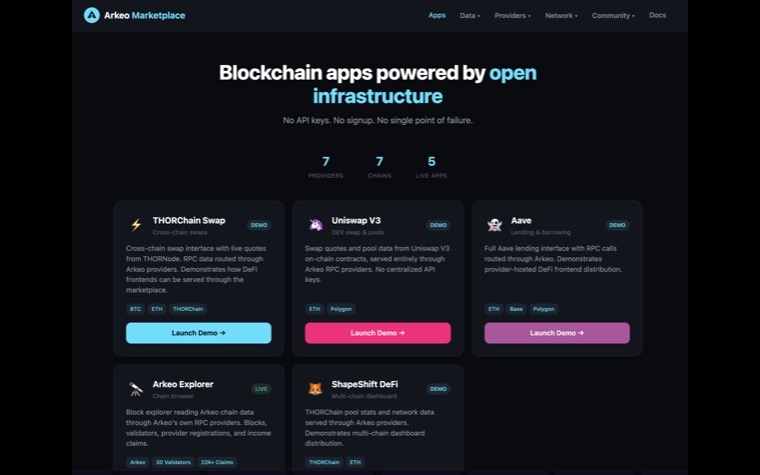 Product · 2024–2026
Twenty-two months building and running a decentralized data marketplace, with every finding from an outside security audit resolved.
Read the case study →Product · 2017–2018Machine learning that scored SAT practice answer sheets from a phone photo, built in 2017 and shipped through point releases.
Read the case study →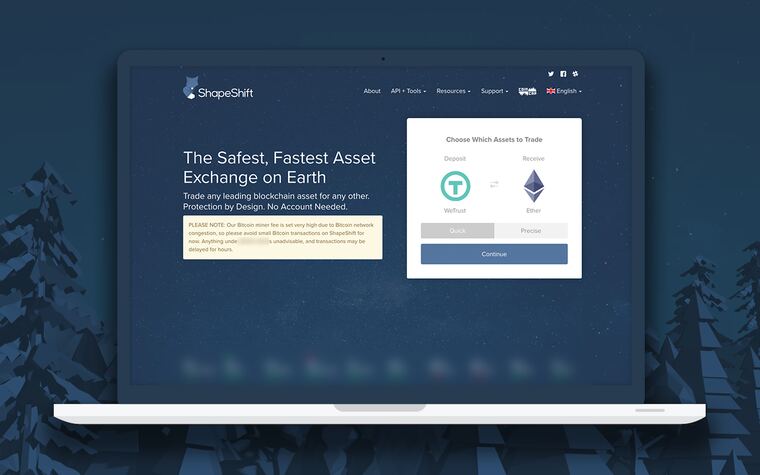 Product · 2013–2020
An account-free crypto exchange we designed and helped build, which peaked at more than a million transactions a day.
Read the case study →InTheory is the AI practice of Innovation Theory, a Denver firm operating since 2011. You work with the founders directly, from the first call to the day-90 review.
Twenty-five years across product, design and engineering. Phil leads architecture, tool choices and delivery so improvements hold up in daily use.
Martin connects customer needs, business priorities and the work that ships, so the first improvement is the one that matters most to revenue or margin.
We work best with established service businesses, roughly 5 to 150 people, that have recurring workflows, a measurable problem and an owner or operations lead who can sponsor change. If you are earlier than that, we will point you to simpler options.
No. Bring the business problem. We evaluate whether a settings change in software you already own, a workflow change, an automation or AI is the best route. Sometimes the right decision is to avoid a new build.
No. Demand, your offer, sales execution and delivery capacity all affect results. We agree measurable goals up front and review the evidence against a baseline at day 90.
We agree access, tool choices and data handling in writing before implementation. Sensitive work gets appropriate contract terms and human approval checkpoints. AI drafts; your people approve anything that goes to a client.
If there is a credible business case, we send a short written scope with success measures and price. Sometimes a paid diagnostic comes first. If there is no case, we tell you that, and usually what we would do instead.
We are based in Denver and happy to be on site across the Front Range. Most of the work runs well remotely, so we also work with service businesses elsewhere in the US.

In 30 minutes we look at one recurring workflow, what it costs you today and whether there is a credible case to improve it. If there is not, we will say so.
30 minutes with Phil or Martin. No technical brief, no pitch deck. Phil or Martin replies personally, usually within one business day.