A hardware wallet brand built to hold up on the factory floor.
KeepKey is a hardware wallet, a device holding the one copy of something that cannot be reset. Over about a year we worked on its brand, renderings, software and security checks, then helped carry it through ShapeShift's acquisition.
- Brand system
- 3D product renderings
- Usability review
- Security UX
- Indexing services
The challenge
There was no device to photograph when we started. The people deciding whether to build it, and the people funding it, needed to see it first. Every later decision rested on one fact: if a user loses their key, they lose everything.
The software had its own problems. Our 2018 review opened with a plain finding: users struggle to navigate it. That was our own verdict on a product we were helping to brand and build.
What we did
Render the product before it existed
We produced 3D prototype renderings, the logo and product design handling around them. Each surface and material in those images became a commitment the factory would later have to meet.
Write the brand as a manufacturing spec
The 2017 style guide fixed lockups, a four-color palette anchored on Pantone 382 C, Raleway, and minimum sizes as hard numbers. The white label spec set the device back at 38.0mm by 93.5mm, allowed 79.5mm for a partner logo, and placed the KeepKey mark 3.5mm off the bottom right corner.
Review the software as outsiders
Our 2018 review walked every basic task, from install and setup to send and restore, compared TREZOR and Ledger using real user comments, and flagged accessibility as a failure. We also helped build the indexing services that widened which assets the wallet could hold, and worked on cryptography and key handling in the device.
Design the failure path, not only success
The review led to a six-step check that runs on first setup, shown in sync on the desktop client and the device's one-color screen. Neither technical nor plain wording tested well alone, so each step uses a short technical line plus one plain sentence. If a check fails, the screens tell the user to stop using the wallet and what to do next.
The result
The verification work shipped as eighteen screen designs and a flow diagram, dated June 2019. When ShapeShift acquired KeepKey, we helped move the brand, product and assets across to the new owner, since we already worked on both sides.
The relationship continued after that. An integration exploration from October 2020 covered BEP2 support, firmware updates, the Midgard API and a signing library.
What this means for your business
Brand rules only work when they are numbers a supplier can be held to. A review is only useful if someone is willing to say the product is hard to use, even when they helped make it. And the moment something goes wrong deserves the same design care as the moment it goes right.
This project was delivered by the Innovation Theory team, the Denver firm behind InTheory, before InTheory existed as its AI practice.
Other case studies
Valhalla
A ten-week prototype of a cross-chain exchange run from a hardware wallet, with brand, web app and desktop client delivered.
Read the case study →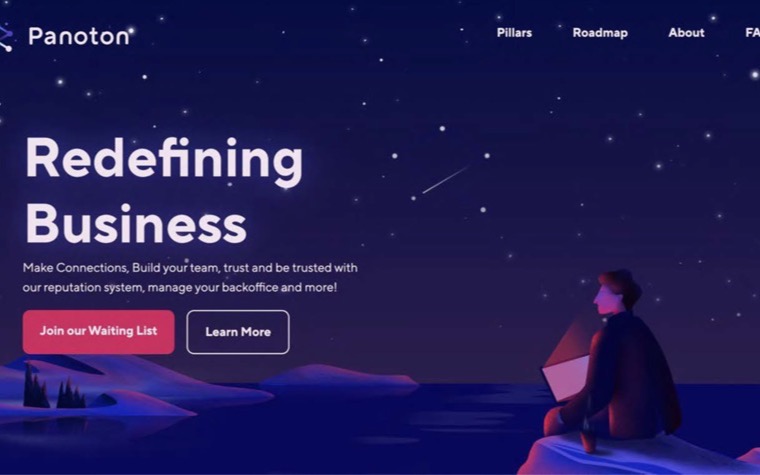 Prototype · 2021
Panoton
A blockchain gig platform taken from strategy workshops to a tested design and a technical scope that still holds.
Read the case study →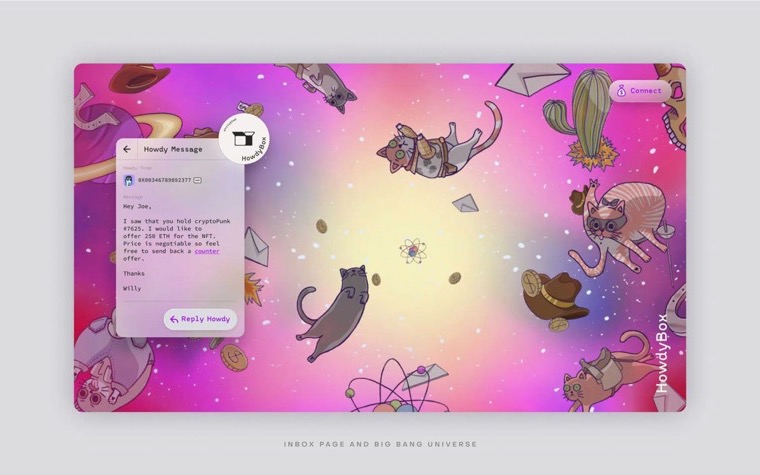 Brand
HowdyBox
Naming, identity, illustration, UI and a pitch deck for a cross-chain messaging protocol, built around a box and a cat.
Read the case study →Bring one expensive workflow. Leave with a clear next step.
In 30 minutes we look at one recurring workflow, what it costs you today and whether there is a credible case to improve it. If there is not, we will say so.
30 minutes with Phil or Martin. No technical brief, no pitch deck. Phil or Martin replies personally, usually within one business day.