Ten weeks to find out what a hardware wallet would really do.
Erik Voorhees, the founder behind ShapeShift, hired us personally to prototype a cross-chain exchange for THORChain that ran from a KeepKey hardware wallet. In ten contracted weeks we scoped the hardware risk, built a brand, a web frontend and a desktop app, and handed over the code in April 2021.
- Technical scoping
- Discovery
- Brand and interface design
- Web frontend build
- Desktop app build
The challenge
The idea was an exchange where the keys never leave the device in your hand and the trading comes to them. That rule is the same one we followed in the ShapeShift years, and it is also what made the build hard.
Wiring a hardware wallet into cross-chain swaps is not a layout problem. If the device could not complete the handshake cleanly, the product did not exist. The risk sat in one place, and we needed to learn about it early.
What we did
Scope the hardware first
The contract, signed October 11, 2020, put technical scope as milestone one. We wrote prototype requirements and KeepKey exploration notes before the brief could assume anything about what the device would do.
Run discovery before screens
Two weeks of discovery covered business goals, user interviews, competitive research and a workshop. Two weeks of definition produced the feature list, information architecture, user journey and wireframes, iterated against user feedback.
Design after the facts are in
Brand and design were milestone two. Valhalla got its name, look and interface once the technical scope was settled, so the design followed what the device could actually support.
Build to closed beta and report weekly
We built the web frontend and an Electron desktop app. Nine weekly updates went out from October 2020 to March 2021, and the prototype milestone was dated December 18, 2020.
The result
The final code archives, frontend, Electron and bitcoin, were handed over on April 20, 2021, built to closed-beta ready with a beta scheduled for April 12. WalletConnect worked end to end, which narrowed the open risk to one place.
The KeepKey link was the last piece still in progress at handoff. THORChain went live that same season, so the target moved while we built. The archive shows handoff, not launch, and we make no claim about users or revenue.
What this means for your business
A prototype's job is to show which assumptions hold, not to look finished. Put the riskiest piece first in the contract and find out early what it will really do. A clear answer, even a partial one, lets the owner decide what to spend next on facts instead of hope.
This project was delivered by the Innovation Theory team, the Denver firm behind InTheory, before InTheory existed as its AI practice.
Other case studies
 Prototype · 2021
Panoton
A blockchain gig platform taken from strategy workshops to a tested design and a technical scope that still holds.
Read the case study →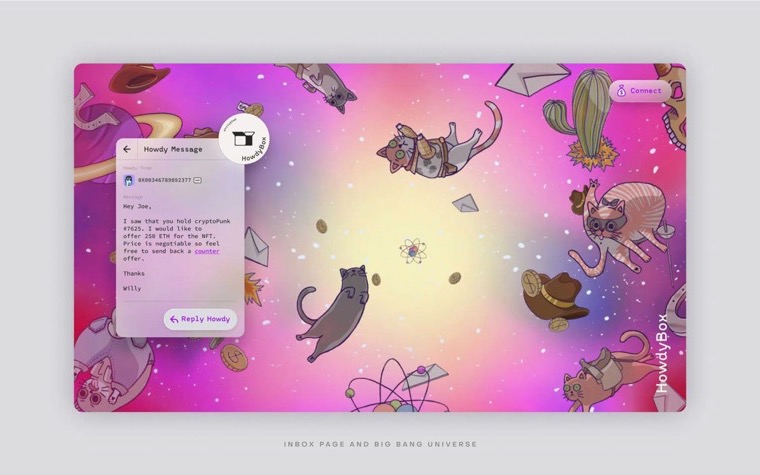 Brand
HowdyBox
Naming, identity, illustration, UI and a pitch deck for a cross-chain messaging protocol, built around a box and a cat.
Read the case study →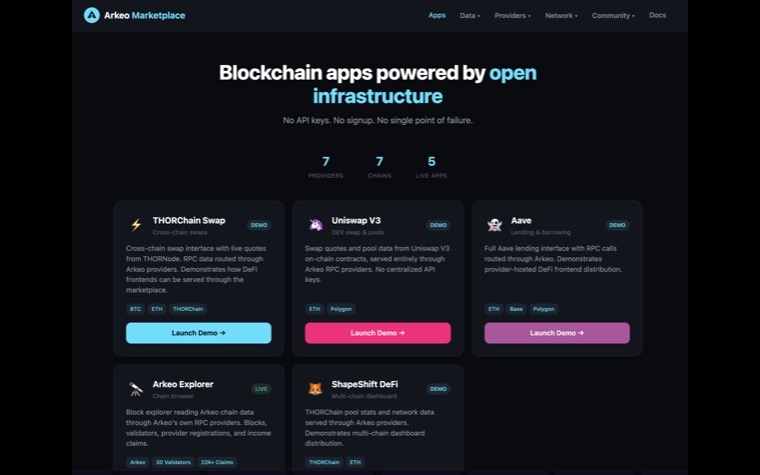 Product · 2024–2026
Arkeo
Twenty-two months building and running a decentralized data marketplace, with every finding from an outside security audit resolved.
Read the case study →Bring one expensive workflow. Leave with a clear next step.
In 30 minutes we look at one recurring workflow, what it costs you today and whether there is a credible case to improve it. If there is not, we will say so.
30 minutes with Phil or Martin. No technical brief, no pitch deck. Phil or Martin replies personally, usually within one business day.