Fractional CTO for five founders who had no developers.
SALT Lending started with five founders, no developers and one idea: let people borrow cash against their cryptocurrency. We held the technical seat from 2016 into 2018, shipped a membership sale, and kept it running until SALT's own engineers could replace it.
- Fractional CTO
- Product strategy
- Token sale build
- Product design
- Brand system
The challenge
SALT came to us in 2016 with a value proposition and no product: people wanted to use their crypto as collateral for a cash loan. The founders had no engineers, so someone had to hold the technical side of the company while it launched and grew.
Not everything worked. SALT asked us to build the loan system on chain, and we did not succeed. Our developers judged the technology too immature for the job. SALT started processing loans by hand, and our effort to extend a third-party CRM for them produced little.
What we did
Take the technical seat
We served as fractional CTO through launch and into SALT having its own building and teams. That covered product strategy, tech lead duties, exchange listings, and the system pairing incoming tokens with OTC purchasing.
Specify the hard parts on paper first
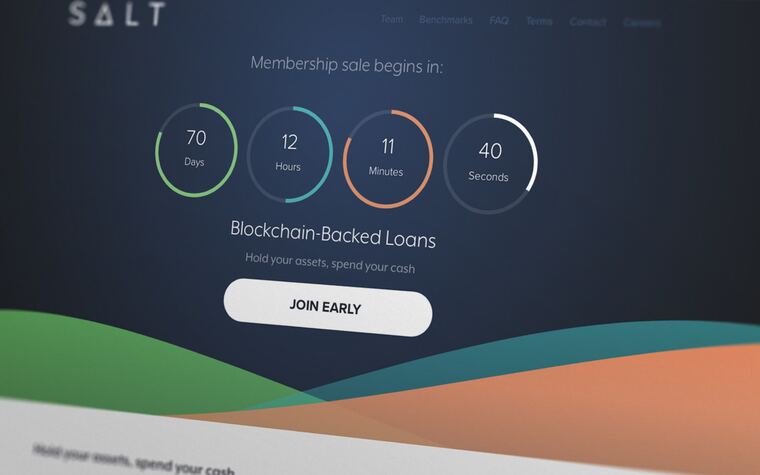
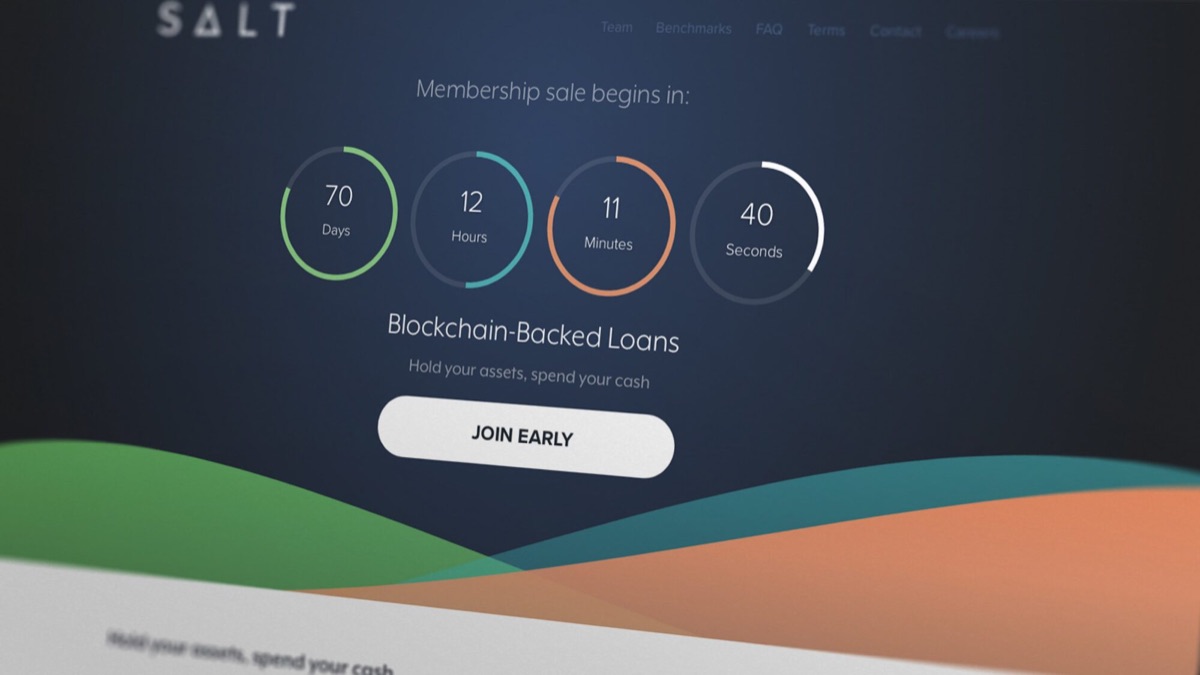
When the ask changed to a sale, our wireframe dated May 12, 2017 already covered a loan calculator, a tiered pricing ladder, a three-step signup with two-factor, a deposit address per account, altcoin intake and a live dashboard. We then launched the sale quickly.
Design the product the sale would become
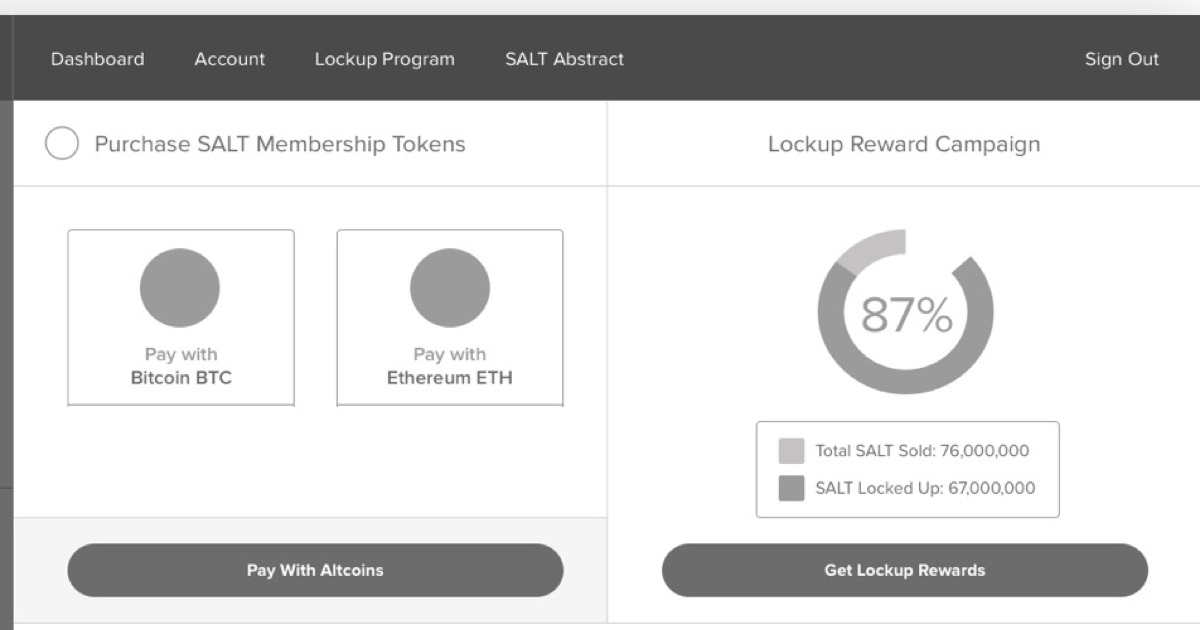
By August 2017 we were designing membership redemption, a lockup program and member-aware dashboards. We drew two withdraw flows side by side for review rather than arguing over one, with a second confirmation at the step nobody can undo.
Keep the lights on during the handoff
In 2018 SALT hired its own engineers. We kept the sale and its infrastructure running, adding features to cover gaps, until the replacement platform launched eight months after its original deadline.
The result
SALT grew from five core founders to nearly a hundred employees in just over a year, then took engineering in house, which was the plan. Co-founder Shawn Owen said we understood the vision from day one.
Our own July 2018 notes are blunt about the cost. A server built for the sale ended up running the member and borrower portal, which it was not designed for. Refactoring was proposed several times and deferred. A one-off reconciliation report became a manual job three days a week, and one urgent fix sat undeployed for seven days.
What this means for your business
Temporary systems tend to become permanent while everyone is busy shipping. Decide early who owns the call to rebuild, and keep a simple priority list so urgent fixes do not queue behind everything else. A one-off task that keeps recurring is a project nobody scoped.
This project was delivered by the Innovation Theory team, the Denver firm behind InTheory, before InTheory existed as its AI practice.
Other case studies
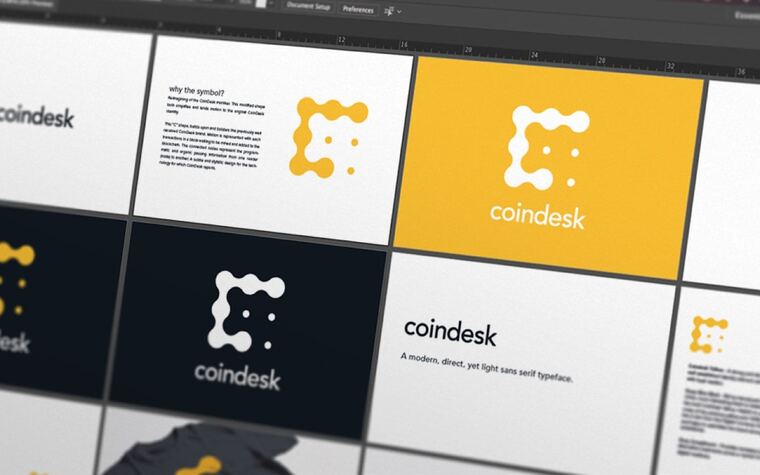 Brand · 2016–2019
CoinDesk
Masthead, style guide, site, app and newsletter design, plus the Consensus event brand for its first New York shows.
Read the case study →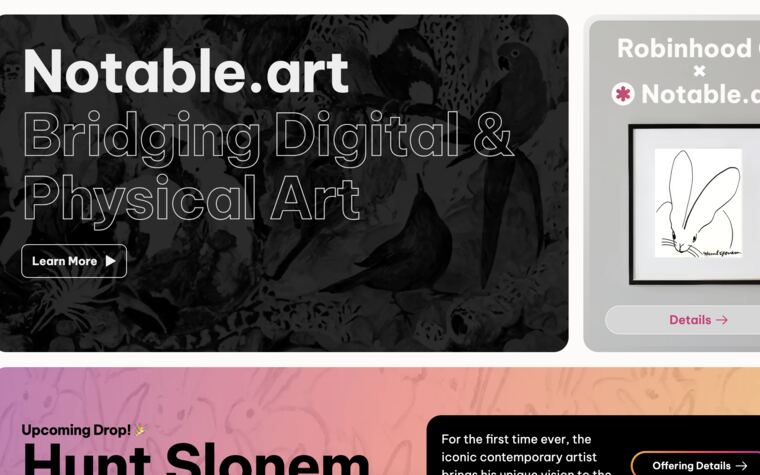 Product · 2022–2024
Notable.art
A fifty-year physical catalog became a 991-work digital edition, each piece paired with an archival print and a certificate.
Read the case study →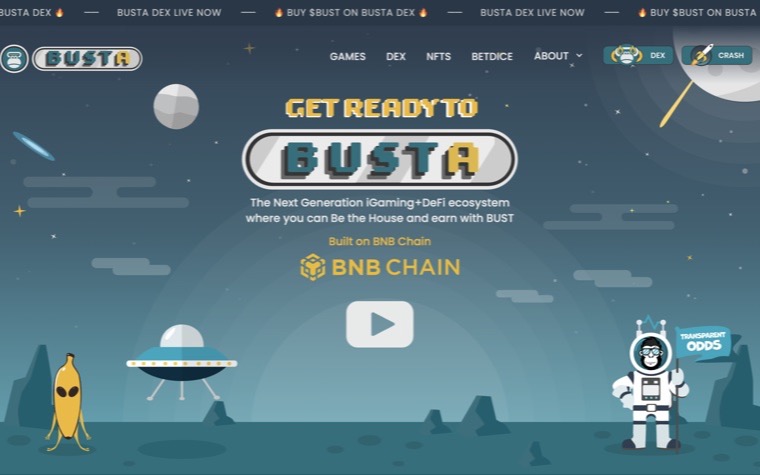 Product · 2021–2022
BUSTA
Six vendors, one shared database, a four-day outage, then load tests that took the safe ceiling from 120 to 350 users.
Read the case study →Bring one expensive workflow. Leave with a clear next step.
In 30 minutes we look at one recurring workflow, what it costs you today and whether there is a credible case to improve it. If there is not, we will say so.
30 minutes with Phil or Martin. No technical brief, no pitch deck. Phil or Martin replies personally, usually within one business day.