Rebuilding a decade-old marketplace without switching it off.
LeapTrade was a video game trading marketplace that had run for more than ten years when it chose, in August 2021, to start over. Over roughly fourteen months we handled naming, branding, product design and QA, and the old site kept taking orders throughout.
- Naming
- Brand identity
- Product design
- QA and test planning
- Rebuild planning
The challenge
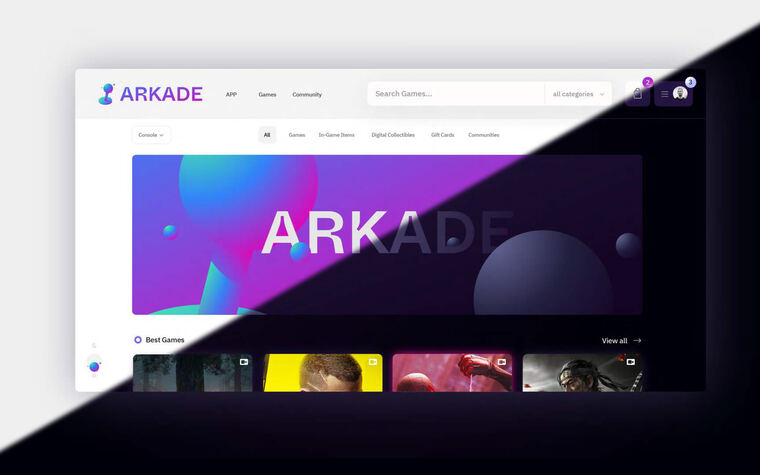
The old platform had performance problems, and it was also where every order came from. The client's own notes from August 2021 called for building the new version from scratch. Shutting down the old one to do it was not an option.
The original objectives leaned hard toward crypto, blockchain features and NFT trading. The rebuild had to decide what an MVP really needed to be.
What we did
Keep the business running first
The first item on the to-do list was maintenance, not strategy. A PHP developer was funded to keep LeapTrade 1.0 stable during the rebuild. The plan said a few months. It ran a year, and the funding stayed.
Let design lead the name
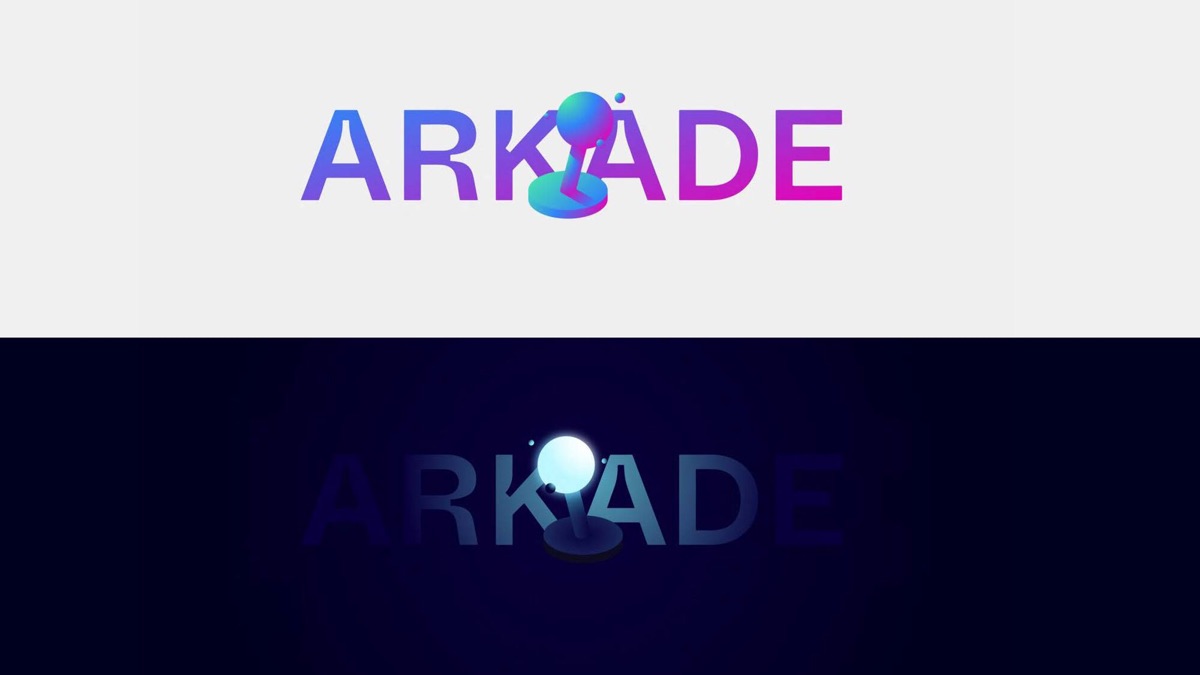
A November 2021 naming workshop, built on competitor search rankings, produced twenty-one candidates. None of them became the name. The design work came first, a joystick turned into a planet with orbiting moons, and it set the brief that Arkade had to meet. The mark was built to work in both 3D and 2D.
Pin the MVP to seven surfaces
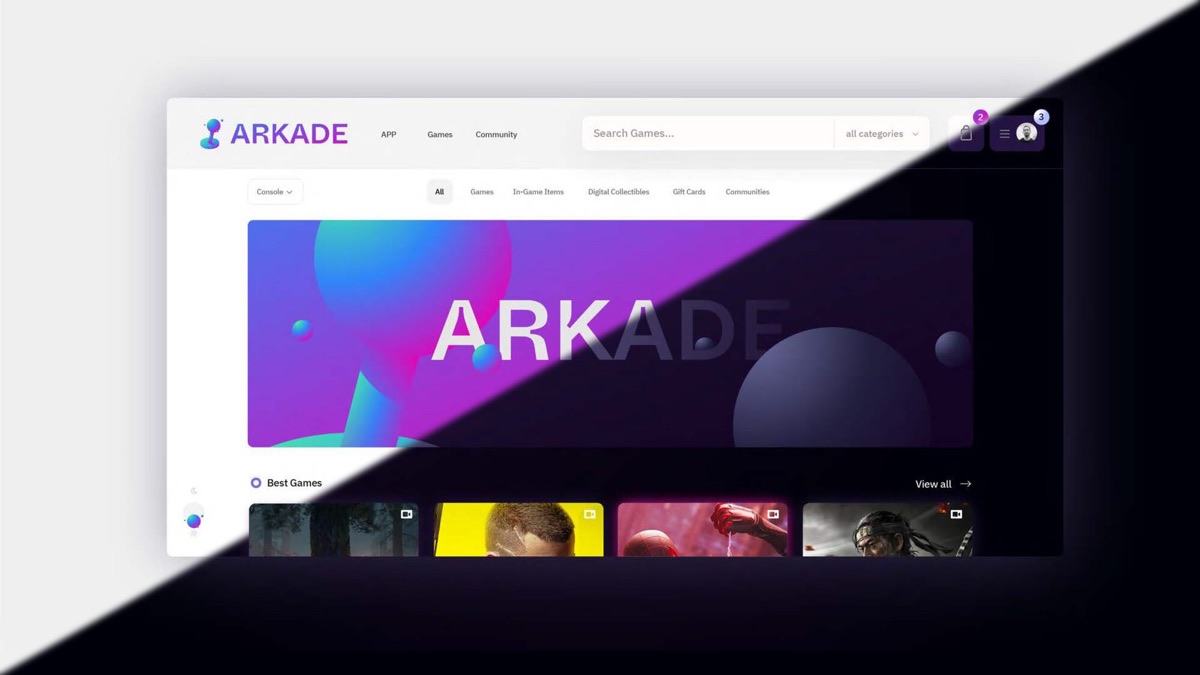
A QA document from January 2022 fixed the MVP at home, registration, browse, product details, cart, listing creation and user profile. Responsive support started at 320px, with 360px as the working floor, written into the standards from the start.
Test every build, in writing
A 58-scenario matrix on the game card passed on staging in May 2022. A smoke test of about 55 scenarios passed on UAT from May through August. The next build ran about 100 checks, and 20 failed.
The result
The August regression was serious. A broken orders page meant a buyer could pay and then see no order, no key and no confirmation email. Our testers caught it on UAT and logged it, before a customer lost a game key.
What got built and tested end to end was card payments. No crypto payment, wallet or NFT flow appears in any QA document. We hold no user, migration or volume figures, so we claim none.
What this means for your business
When the old system pays the bills, keeping it alive is part of the project, not a distraction from it. Fund that work openly. Then write down the MVP in one sentence and test every build against it, because the test that fails is often worth more than the dozen that pass.
This project was delivered by the Innovation Theory team, the Denver firm behind InTheory, before InTheory existed as its AI practice.
Other case studies
KeepKey
Brand, manufacturing spec, honest usability review and a six-step security check for the KeepKey hardware wallet.
Read the case study →Prototype · 2020–2021Valhalla
A ten-week prototype of a cross-chain exchange run from a hardware wallet, with brand, web app and desktop client delivered.
Read the case study →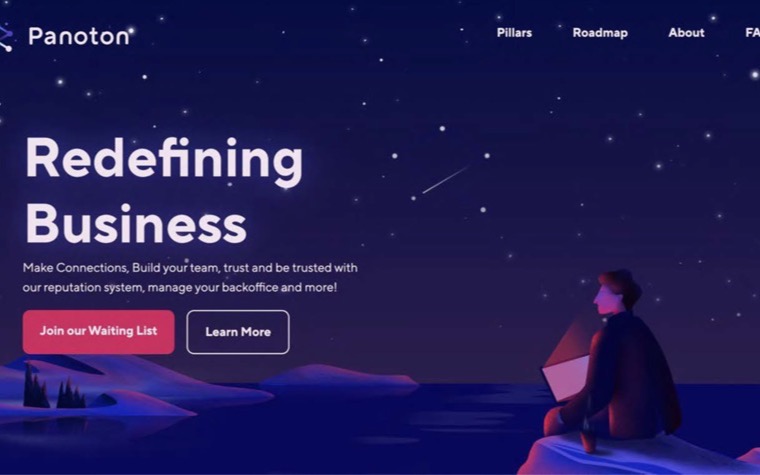 Prototype · 2021
Panoton
A blockchain gig platform taken from strategy workshops to a tested design and a technical scope that still holds.
Read the case study →Bring one expensive workflow. Leave with a clear next step.
In 30 minutes we look at one recurring workflow, what it costs you today and whether there is a credible case to improve it. If there is not, we will say so.
30 minutes with Phil or Martin. No technical brief, no pitch deck. Phil or Martin replies personally, usually within one business day.